
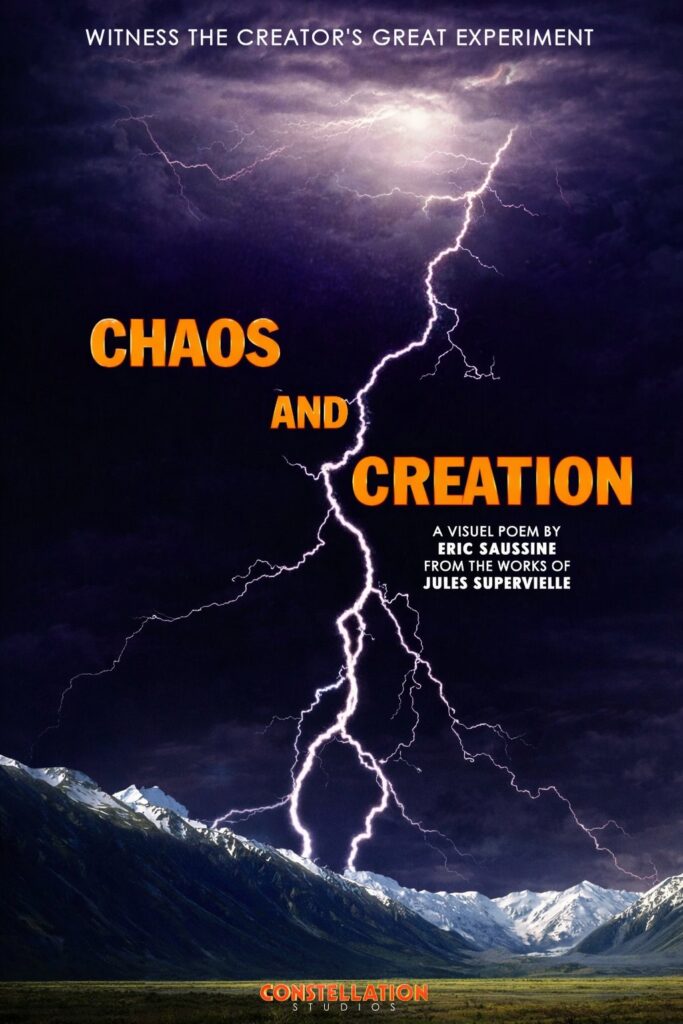
2003 – French language – 9 min
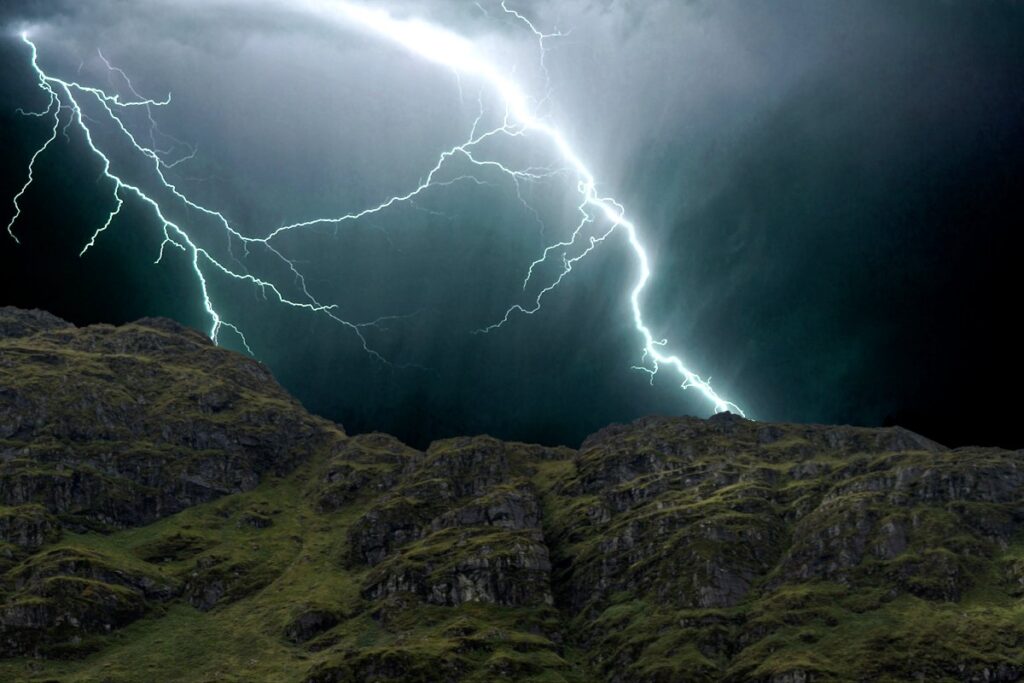
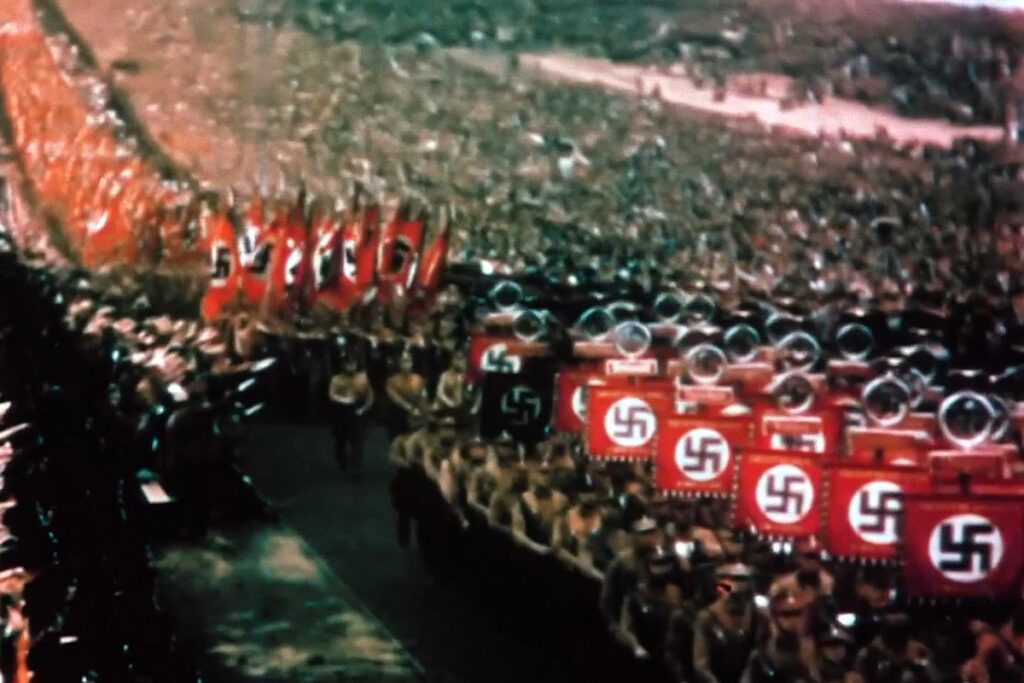
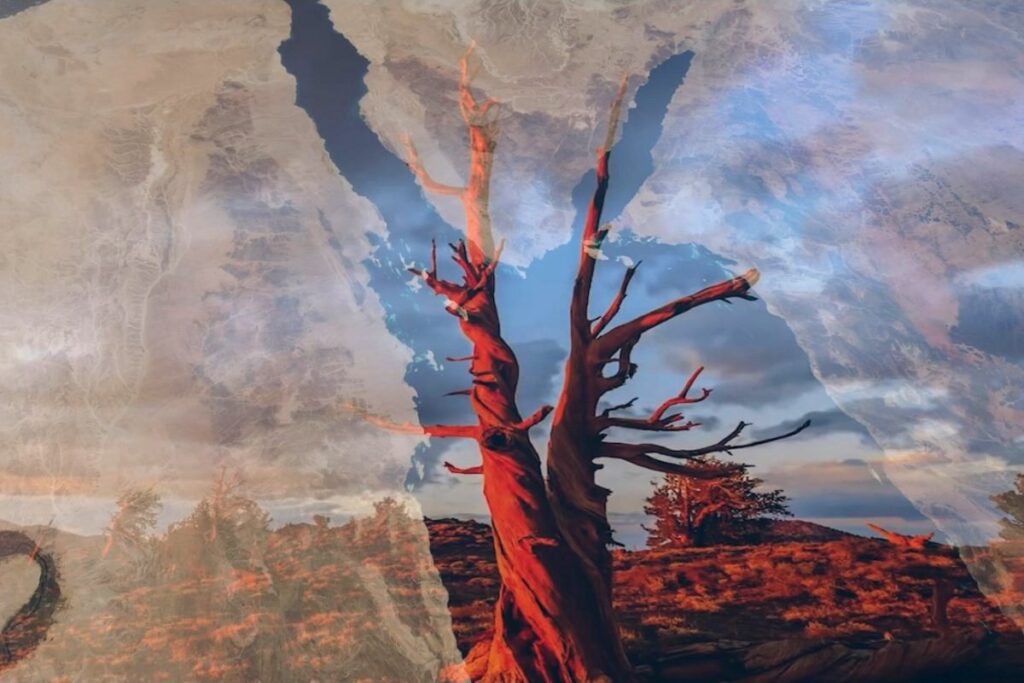
You can call it God if you are a believer, or the principle of creation if you are not or only slightly so. But it is indeed Creation itself that comments on itself through a dialogue of ideas in Chaos and Creation, a montage film by Eric Saussine based on the poem by Jules Supervielle. Poetry is also present on screen thanks to the sublime music of Maurice Ravel.
Featuring Olivier Weber (the voice of Creation), Jean-Luc Vandiste, and Colette Gomes. Sound engineer: Cyril Pichon. Remastered in 2025.
Vous pouvez l’appeler Dieu si vous êtes croyant ou principe de création si vous ne l’êtes pas ou peu. Mais c’est bien la Création qui s’auto-commente en point et contre-point dans Le Chaos et la Création, un film de montage d’Eric Saussine tiré du poème Jules Supervielle. La poésie est aussi à l’écran grâce à la musique sublime de Maurice Ravel.
Avec Olivier Weber (la voix de la Création), Jean-Luc Vandiste et Colette Gomes. Ingénieur du son : Cyril Pichon. Remastered in 2025.
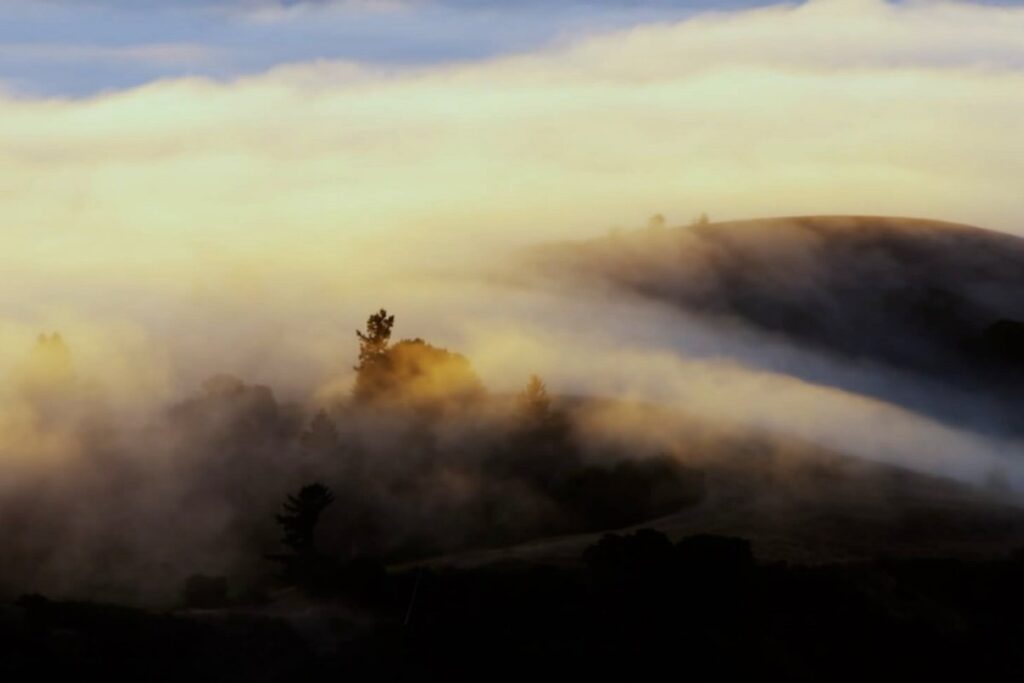
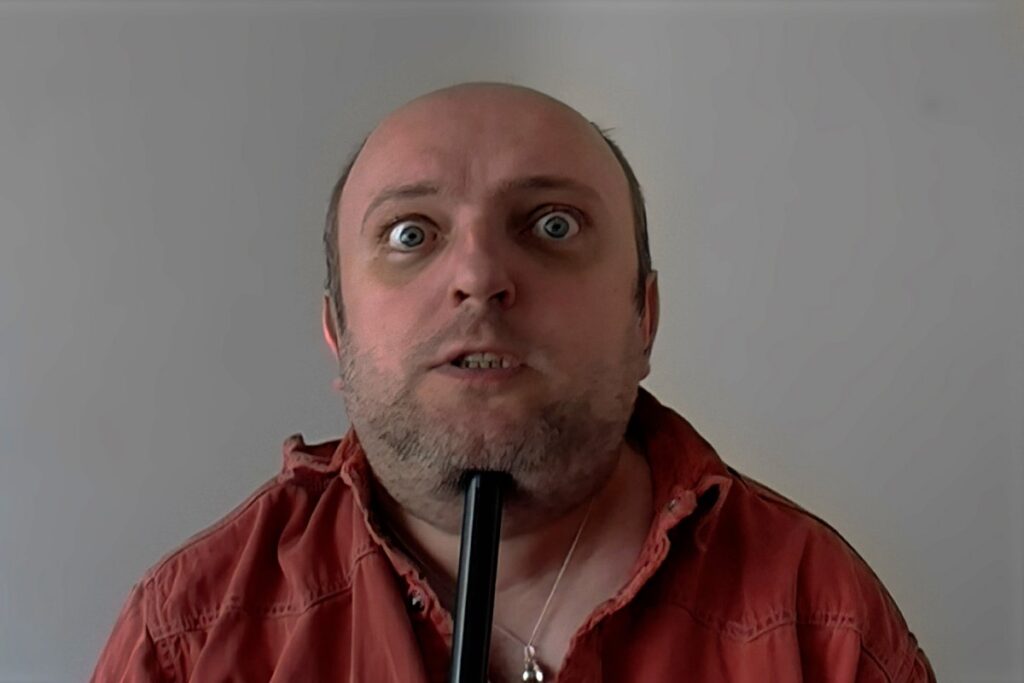
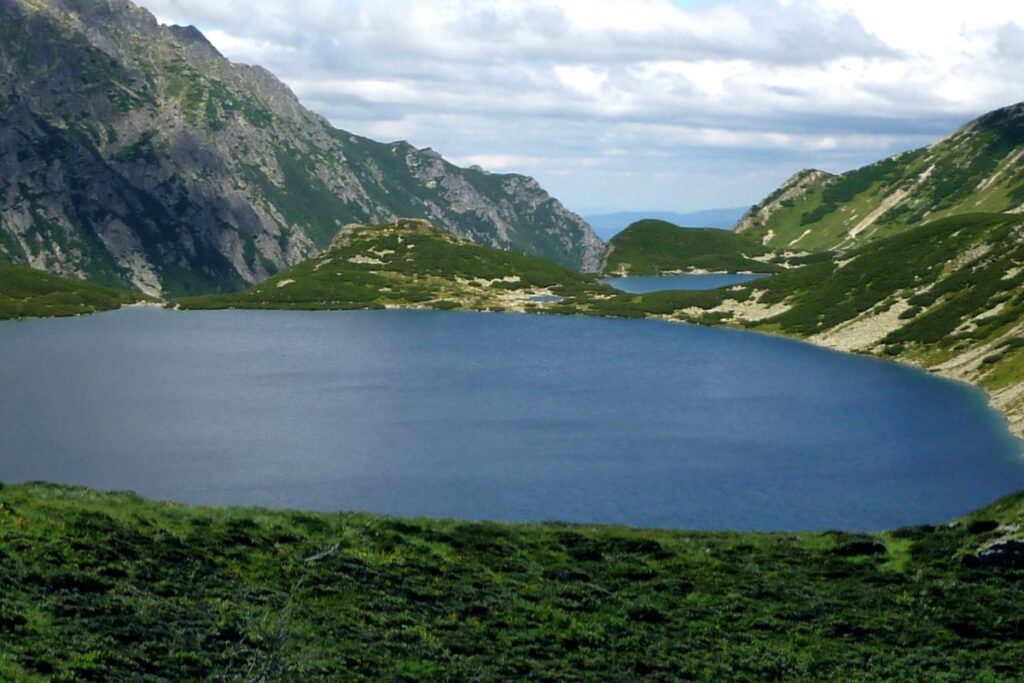
| Jules Supervielle, a poet and playwright born in Montevideo in 1884, remained on the fringes of Surrealism; he stood out for his writing, which seemed to blend spontaneity and ambiguity. His work, expressed in free and melodious verse, reveals both his obsession with death and his questioning of the existence of God. The poem, “Chaos and Creation,” is taken from the collection titled The Fable of the World, published in 1938. In it, Supervielle sketches the portrait of a very human God—hesitant, solitary—from whom the process of creation seems almost to slip away. A contrast between light and darkness runs through the text, creating a duality and a sense of contrast that mirrors the unfolding of Creation. Furthermore, here we have a demiurge-like poet with a boundless imagination who subtly establishes a link between poetic creation and divine creation. Supervielle boldly takes liberties with religious conventions: he shows us a God who is at times ignorant, narcissistic, confused, or uncertain. The creation of Man, placed above all earthly elements, appears as a remedy for God’s loneliness. Man, referred to as a specific being, is fashioned as if based on an ideal, a divine dream of perfection tailored to his measure. The appeal of this text lies primarily in the fact that it reimagines the creation story, giving it a far more human face and, thereby, a certain accessibility. | Jules Supervielle, poète et dramaturge né à Montevideo en 1884, reste en marge du surréalisme, il se distingue par son écriture qui semble mêler spontanéité et ambigüité. Son œuvre dénote à la fois, dans des vers libres et mélodieux, son obsession de la mort et son questionnement sur l’existence de Dieu. Le poème, « Le Chaos et la Création » est tiré du recueil intitulé La Fable du monde, publié en 1938. Supervielle y esquisse le portrait d’un Dieu très humain, hésitant, solitaire, à qui le processus de création semble presque échapper. Une opposition du clair et de l’obscur jalonne le texte créant une dualité, un effet de contraste, qui reflète le déroulement de la Création. En outre, on a ici un poète démiurge à l’imagination débordante qui établit en filigrane un lien entre création poétique et création divine. Supervielle prend audacieusement des licences avec les conventions religieuses : il nous montre un Dieu parfois ignorant, narcissique, confus ou incertain. La création de l’Homme, placé au-dessus de tous les éléments terrestres, apparaît comme un remède à la solitude de Dieu. L’Homme, mentionné comme un être spécifique, est façonné comme sur la base d’un idéal, d’un rêve divin de perfection à sa mesure. L’intérêt de ce texte tient principalement au fait qu’il se réapproprie le récit de la création en lui donnant un visage bien plus humain et, par là, une certaine accessibilité. |
| Bible et Littérature : florilège 3 Université Lumière Lyon 2 – Faculté LESLA Collective work, French language 2013 / 2014 | Bible et Littérature : florilège 3 Université Lumière Lyon 2 – Faculté LESLA Œuvre collective 2013 / 2014 |